
Understanding the psychological triggers behind gambling behavior
The Allure of Gambling
The allure of gambling often begins with the thrill of taking risks and the possibility of winning substantial rewards. For many individuals, this excitement acts as a primary psychological trigger, encouraging them to engage in gambling activities. This behavior can be traced back to the human brain’s reward system, which releases dopamine—the chemical responsible for pleasure—when a person experiences a win or even anticipates one. This rush can become addictive, leading individuals to gamble more frequently in hopes of recapturing that euphoric feeling. Additionally, you can explore the variety of options available at Joe Fortune, where the focus is on maximizing your bankroll.

Furthermore, the environment in which gambling occurs—such as casinos filled with bright lights and sounds—can heighten these feelings of excitement. This sensory stimulation creates an atmosphere of anticipation, making it easier for individuals to lose track of time and money. Social factors, such as peer pressure or the desire to fit in, can also amplify this allure, particularly among younger individuals. This combination of personal and environmental triggers plays a critical role in why many people are drawn to gambling.
The Role of Cognitive Biases
Cognitive biases are mental shortcuts or patterns of thinking that can distort our perception of reality. In gambling, certain biases significantly influence behavior, leading individuals to make irrational decisions. For instance, the “gambler’s fallacy” is a prevalent cognitive bias, where individuals believe that past outcomes affect future probabilities. A player may think that after a string of losses, a win is due, leading them to continue gambling even when evidence suggests otherwise.
Another common bias is the “illusion of control,” where gamblers believe they can influence the outcome of games based on their actions or strategies. This belief can encourage excessive risk-taking, as individuals feel empowered despite the random nature of most gambling activities. A classic example is poker, where players might assume that their skills can outweigh the element of chance involved in the game.
These cognitive biases not only distort decision-making but also exacerbate financial losses. Gamblers may ignore critical information regarding the odds, leading them to chase losses and dig themselves into deeper financial troubles. By recognizing and addressing these biases, individuals can better navigate their gambling behaviors and make more informed choices.
The Impact of Emotions on Gambling Behavior
Emotions play a pivotal role in gambling behavior, influencing decisions far more than many realize. Feelings of excitement, stress, or sadness can lead individuals to seek solace or escape in gambling. This is particularly evident in those experiencing negative life events, such as job loss or relationship issues. Gambling can serve as a temporary distraction, providing an emotional high that may numb their struggles for a moment.
Conversely, positive emotions can also trigger increased gambling behavior. Celebratory moments may encourage individuals to gamble as a form of entertainment or socializing. This dual influence of emotions highlights how gambling can become intertwined with one’s emotional state, leading to compulsive behaviors. Those who turn to gambling as a coping mechanism often find themselves caught in a cycle of highs and lows, oscillating between fleeting joy and regret.
Understanding the emotional triggers behind gambling is essential for developing effective interventions. When individuals recognize that their gambling may stem from emotional needs rather than pure enjoyment, they can seek healthier coping strategies. This awareness can ultimately lead to more mindful choices, reducing the likelihood of developing gambling-related issues.
The Social Environment and Gambling
The social environment significantly influences gambling behavior, shaping how individuals perceive and engage with it. Social interactions often dictate one’s approach to gambling, whether it’s casual participation with friends or high-stakes competition in a casino. The norms and attitudes prevalent in a person’s social circle can normalize gambling behavior, making it seem more acceptable or even encouraged.
Peer pressure plays a critical role, particularly among young adults and adolescents. The desire to fit in or impress friends can compel individuals to gamble more than they originally intended. This behavior can escalate, especially if someone finds themselves in a group where gambling is a frequent activity. Social media platforms further amplify these influences, as sharing wins and losses can create a culture of boasting and competition.
Recognizing the impact of social environments on gambling behavior is crucial for understanding how it can lead to both positive and negative outcomes. Individuals may benefit from developing a supportive network that promotes responsible gambling practices. By surrounding themselves with those who prioritize healthy entertainment choices, individuals can mitigate the risks associated with gambling and reinforce better decision-making.
Gambling in the Digital Age
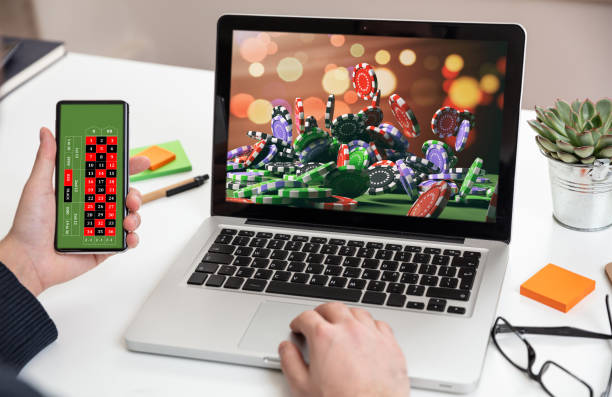
The rise of online gambling platforms has transformed the gambling landscape, offering unprecedented access and convenience. While this evolution presents opportunities for entertainment, it also exacerbates the psychological triggers associated with gambling behavior. Digital environments often create a sense of anonymity that can encourage risky behavior, as individuals feel less accountable for their actions compared to in-person settings.
Moreover, the design of online games is strategically crafted to maximize engagement and retention. Features like reward systems, bonuses, and gamified elements keep players returning for more, often leading to excessive gambling. The instant gratification provided by online platforms can reinforce addictive behaviors, as players are continuously seeking that next big win without the physical constraints present in traditional casinos.
As gambling technology advances, it becomes increasingly vital for individuals to understand these digital triggers. Awareness of the tactics used by online platforms can empower players to make informed choices and set boundaries on their gambling habits. By recognizing the psychological influences at play in the digital realm, individuals can take steps to enjoy gambling responsibly.
Explore Responsible Gaming with Joe Fortune Casino
At Joe Fortune Casino, we prioritize the well-being of our players by promoting responsible gaming practices. Understanding the psychological triggers behind gambling behavior is essential, and we strive to provide a safe environment where players can enjoy a diverse array of games responsibly. Our platform is designed to ensure player safety, offering tools to set limits and track playtime.
With a commitment to transparency and support, Joe Fortune Casino provides resources for individuals looking to maintain healthy gaming habits. Our dedicated customer support is available around the clock, ready to assist players in understanding their behaviors and making informed decisions. Join us today to experience gaming tailored to your needs while emphasizing safety and enjoyment.


