
The House Edge Explained
The concept of the house edge is fundamental to understanding how casinos operate. Essentially, the house edge refers to the mathematical advantage that the casino has over players in any given game. This advantage varies from game to game; for instance, a slot machine might have a house edge of around 5%, while a game like blackjack can be much lower, at around 1% when played with optimal strategy. Players looking for a fun experience often turn to rocket casino , which offers various games that highlight this edge, ensuring that, over time, the casino is more likely to profit from the games than the players. Understanding this concept is crucial for any gambler who wishes to engage with the games available at casinos.
It is critical to recognize that the house edge doesn’t mean players cannot win. In fact, individual players can and do win significant amounts during their sessions. However, the longer a player participates in any game, the more likely they are to see their losses accumulate due to the house edge. Thus, many gamblers become intrigued by the idea of strategies or systems that can help them overcome this built-in mathematical advantage. However, these strategies often overlook the fundamental nature of probability and risk involved in gambling.
Some players believe that they could potentially outsmart the house through superior skill or strategies, especially in games like poker or blackjack. However, while skill can greatly influence outcomes in certain games, the house edge remains a constant reminder of the mathematical probabilities at play. Understanding the house edge is key for any gambler hoping to achieve long-term success in a casino setting. The reality is that while players can improve their odds with strategy, the house edge will always be a determining factor in the outcomes of games.
Myths Surrounding Winning Strategies
Several myths persist about techniques that claim to “beat the house.” One common misconception is that certain betting strategies, such as the Martingale system, can guarantee profits. This strategy involves doubling your bet after each loss, under the premise that eventually, a win will recover all previous losses. However, this approach is fundamentally flawed, as it does not consider the limits that casinos impose on betting. Once a player hits the table limit, they can no longer double their bet, potentially leading to substantial losses. This strategy can create an illusion of control, which often leads to disastrous financial consequences.
Another popular myth is that players can predict outcomes based on previous spins, particularly in games like roulette. This belief stems from the gambler’s fallacy, which is the incorrect assumption that past events influence future outcomes in independent events. Each spin of the roulette wheel is independent, and the odds remain the same regardless of previous results. This kind of thinking can lead players to make rash decisions and ultimately increase their chances of falling victim to the house edge. It is essential for players to understand that every game round is a separate event with its own probabilities.
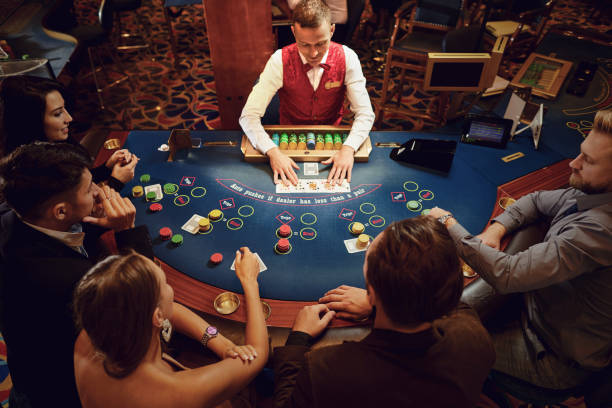
Ultimately, while some strategies may enhance a player’s experience or offer short-term wins, they cannot overcome the fundamental odds of the games. Understanding these myths is crucial for managing expectations and making informed decisions when gambling in a casino. Players should focus on enjoying the games rather than searching for elusive strategies that promise impossible outcomes. The reality is that gambling should be seen as entertainment rather than a reliable means of income.
The Role of Luck in Gambling
Luck plays an undeniable role in the world of gambling. Many players attribute their wins to sheer chance, and while this is true to some extent, it’s essential to understand how luck intertwines with skill and strategy. In games like poker, for instance, a skilled player can use their knowledge of odds and psychology to make more informed decisions, while luck factors into the cards they are dealt. However, in purely chance-based games like slots or roulette, luck is the dominant factor that dictates outcomes. Therefore, players should recognize the limits of skill in these games.
Moreover, the perception of luck often influences player behavior. For example, a lucky streak can lead to overconfidence, prompting players to wager more heavily than they should. This psychological aspect of gambling can create a cycle where players chase their losses, believing luck will turn in their favor again. In contrast, recognizing that luck is a variable can help players maintain a more grounded and rational approach to their gaming sessions. Understanding that luck can fluctuate and that it is not something players can control is vital for responsible gambling.
In summary, while luck is an inherent component of gambling, it is important for players to balance this with knowledge about the games they play. Understanding that luck cannot be controlled is key to developing a responsible gambling strategy that minimizes losses and enhances enjoyment. Players should approach gambling with the mindset of having fun rather than relying on luck as a strategy for winning. By doing so, they can create a more enjoyable and sustainable gambling experience.
Psychological Factors in Casino Gambling
The psychological aspects of gambling cannot be overlooked when examining casino myths. Casinos are designed to create an environment that encourages players to keep betting. The use of flashing lights, sounds, and the layout of the gaming floor all contribute to a sensory overload that can lead to impulsive decisions. Understanding these psychological triggers can help players make more rational choices rather than simply succumbing to the atmosphere. Recognizing how the environment affects decision-making can empower players to gamble responsibly.
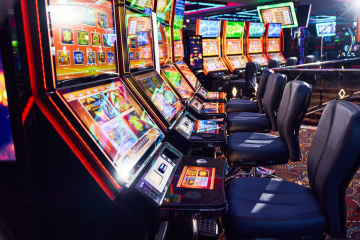
Additionally, the near-miss phenomenon plays a significant role in how players perceive their chances of winning. When a player is one step away from a win—such as spinning two matching symbols on a slot machine—they often feel a sense of excitement, which can encourage continued play. This can lead to the illusion that a player is “due” for a win, perpetuating the cycle of gambling despite statistical realities. Being aware of this psychological trick can assist players in making more informed decisions rather than relying on feelings of luck or entitlement.
Being aware of these psychological factors can empower players to take control of their gambling habits. By recognizing triggers that lead to poor decisions, they can implement strategies that promote responsible gaming. Whether it’s setting a budget, taking breaks, or limiting time spent in the casino, understanding the psychological influence of gambling can significantly enhance a player’s experience. Acknowledging the emotional and cognitive components of gambling allows players to approach their sessions with a clearer mindset.
Final Thoughts on Casino Myths and Realities
As we’ve explored, various myths surrounding casino gambling can lead players astray. The allure of beating the house, whether through strategies or luck, often clouds judgment and can result in unfavorable experiences. It’s essential for players to grasp the fundamental principles of games, such as the house edge, and to recognize the impact of psychological factors on their decision-making processes. The combination of knowledge and responsible behavior is vital in navigating the complex world of casinos. Being informed is the first step toward a more enjoyable gambling journey.
While the dream of striking it rich at a casino attracts many, understanding that the odds are inherently stacked in favor of the house fosters a more realistic approach. Players should engage in gaming as a form of entertainment rather than a surefire way to make money. By shifting the focus away from myths and unrealistic expectations, gamblers can enjoy their experience while minimizing potential disappointments. This shift in perspective is essential for maintaining a healthy relationship with gambling.
Ultimately, the world of casinos is as thrilling as it is complex. By demystifying the myths that surround it, players can empower themselves with knowledge, allowing for a more enjoyable and sustainable gambling experience. Embracing the reality of the gaming environment paves the way for making informed decisions in pursuit of fun and excitement. Through a combination of understanding and mindful participation, players can navigate the casino landscape in a way that maximizes enjoyment and minimizes risks.


